Teaching methodology is not a pile of tricks. It is the deliberate way a teacher shapes instruction, builds curriculum, checks understanding, and improves...
Teaching Methodologies, Curriculum Development, and Learning Optimization: What Actually Works
Teaching methodology is not a pile of tricks. It is the deliberate way a teacher shapes instruction, builds curriculum, checks understanding, and improves learning outcomes over time. The real work is plain, sometimes tedious, and usually ignored by people chasing shiny tools instead of results.
Key Takeaways- Teaching methodology is the system behind instruction, not a bag of gimmicks.
- Curriculum development should align content, skills, assessment, and learning outcomes.
- Learning optimization depends on retrieval, spacing, feedback, and clear goals.
- Popular ideas like rigid “learning styles” distract from what helps students.
- Education should form the whole person, because truth and human flourishing matter more than scoreboard worship.
What is Teaching Methodology?
Teaching methodology is the practical framework a teacher uses to help students learn. It includes pedagogy, lesson structure, questioning, explanation, practice, feedback, and assessment. It also includes choices about direct instruction, guided practice, discussion, project work, and independent application. In plain English, it is how teaching gets done.
Most people treat methodology like a style contest. That is sloppy thinking. The method should fit the subject, the learners, and the outcome. A chemistry lab needs a different structure than a literature seminar. I have seen too many classrooms where the method was chosen because it looked modern, not because it helped students think. That is backwards.
Good teaching methodology starts with learning outcomes. What should the student know, do, or explain by the end? Then the teacher chooses a sequence that makes that result likely. A strong method is visible in the lesson flow: activate prior knowledge, present new material, model the task, let students practice, check for errors, and review the work. Simple. Hard to do well.
There is another point worth saying plainly. Teaching is not just delivery. It is formation. A good teacher shapes judgment, attention, patience, and honesty, which is why older Catholic thinkers treated education as more than workforce prep. Knowledge matters, but so does wisdom. If a lesson improves test scores yet leaves students confused about truth, responsibility, or the use of knowledge, then something has gone missing.
When I analyze strong classrooms, one pattern keeps showing up: the teacher makes thinking visible. Students are not left to guess what matters. The teacher names the goal, demonstrates the process, and checks whether the class is actually following. That is not old-fashioned. It is effective.
For a wider view on current educational reporting, see EdSurge, which tracks practical issues in teaching, learning, and edtech without too much sugarcoating.
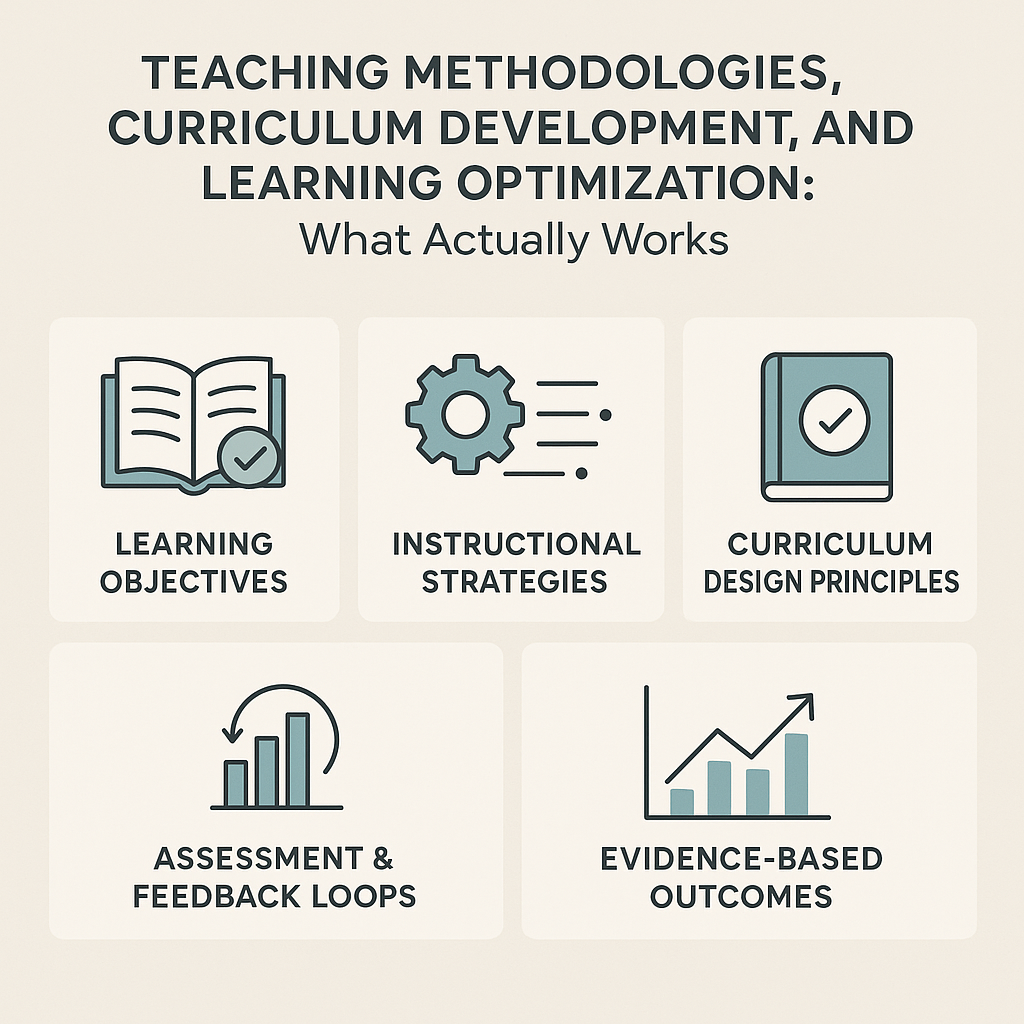
Core Benefits and Importance
- Clarity: Students know what they are learning and why it matters.
- Consistency: Lessons follow a sequence that reduces confusion and wasted time.
- Better retention: Retrieval practice, spacing, and feedback improve memory over time.
- Stronger engagement: Students participate more when tasks have purpose and challenge.
- Fairer assessment: Well-designed instruction makes evaluation more valid because students were actually taught the target skill.
- Improved differentiation: A flexible method lets teachers adjust pacing, examples, and support without lowering standards.
- Less classroom chaos: Structured lessons reduce off-task behavior. Frankly, that alone is worth the trouble.
- Whole-person growth: Good teaching supports competence, confidence, discipline, and intellectual honesty.
Here’s the kicker. A lot of trendy advice sounds useful but changes little. “Make it fun” is not a method. “Students should discover everything” is not a plan. Research from the Education Endowment Foundation repeatedly points to structured, evidence-informed practice as more reliable than vague enthusiasm. Likewise, the American Psychological Association notes that the popular learning-styles claim lacks strong support. That should make everyone pause.
Strong methodology also protects teachers from burnout. When a lesson sequence is clear, the teacher spends less time improvising and more time observing real learning. Less drama. Better work.
For study design, note how spacing and retrieval improve recall far more than cram sessions. That is not a vibe. It is memory science.

Step-by-Step Implementation Guide
- Define the outcomes. Start with the end in mind, but not in a motivational-poster sense. Write down the specific knowledge, skills, and habits students should demonstrate. Use verbs that can be observed: explain, compare, solve, analyze, draft, evaluate.
- Map the essential content. List the concepts, texts, procedures, or facts that support each outcome. Cut the extras. Curriculum bloats fast, and bloated curriculum is a tax on attention.
- Sequence the units logically. Move from simple to complex, concrete to abstract, familiar to unfamiliar. A good sequence lowers cognitive load and lets students build on prior knowledge instead of tripping over it.
- Choose the right teaching method for the task. Use direct instruction for new knowledge and procedures. Use discussion for interpretation and argument. Use projects for synthesis and transfer. Do not use a project just because it looks impressive on a wall.
- Build checks for understanding into every lesson. Ask questions that expose thinking, not just memory. Use cold calling, short writes, exit tickets, worked examples, and quick corrections. I have found that if you wait until the end of a unit to discover confusion, you were never really teaching; you were hoping.
- Plan practice, not just presentation. Students need guided practice before independent work. They also need repeated retrieval across days, not one heroic review session. Spacing beats cramming. Every time.
- Align assessment with instruction. If the goal is analysis, do not test only recall. If the goal is problem-solving, do not hide the process behind multiple-choice items alone. Assessment should reveal whether learning actually occurred.
- Review data and revise. Look at student work, quiz results, error patterns, attendance, and engagement. Then adjust pacing, examples, scaffolds, or sequence. Good curriculum is a draft that keeps getting better.
- Protect the human side. Relationships matter. So does discipline. A student who feels known is more likely to trust correction and persevere through hard material. That is not sentimental fluff. It is practical wisdom.
The truth is, learning optimization is not magic. It is a collection of small, proven habits: retrieve information, space practice, interleave topics, explain ideas clearly, and give feedback quickly. The Harvard Graduate School of Education has discussed how forgetting is part of learning, which means memory must be managed deliberately, not assumed. If a school ignores that, students pay the price.
And if you want a related discussion of modern instructional tools, read Edutopia on assessment; some of it is sensible, though not all of it deserves applause.
Comparison Table
| Factor | Teaching Methodology | Ad Hoc Teaching |
|---|
| Planning | Intentional sequence tied to outcomes | Reactive, lesson by lesson |
| Assessment | Built into instruction | Often delayed or inconsistent |
| Student learning | More likely to improve over time | Uneven and hard to measure |
| Curriculum coherence | Strong alignment across units | Topics feel disconnected |
| Teacher workload | Heavier up front, lighter later | Less planning now, more fixing later |
| Classroom behavior | Usually more stable | More drift and confusion |
| Long-term results | Better retention and transfer | Short-term activity, weak recall |
Most competitors in this discussion are not other methodologies. They are improvisation, fads, and program packages that promise miracles while skipping the hard parts. The honest comparison is boring, which is usually a clue that it is true.
Common Mistakes to Avoid
- Confusing activity with learning: A busy classroom is not necessarily a productive one. Students can color, discuss, click, and move without learning much at all.
- Chasing every trend: Most “new” methods are old ideas wearing fresh clothes. Be suspicious of any approach sold as revolutionary.
- Ignoring curriculum alignment: If objectives, instruction, and assessment do not match, your data is junk.
- Overusing group work: Group work can help, but only when students have the knowledge to contribute. Otherwise, one student works and the others float.
- Skipping review: Students forget. That is not a moral flaw; it is how memory works. Plan for recall or lose the material.
- Treating differentiation as dilution: Good differentiation changes access, not standards.
- Relying on learning styles: The evidence for matching instruction to a preferred style is weak. Teach with multiple representations instead.
- Ignoring teacher expertise: Algorithms, packaged programs, and scripted lessons can help, but they do not replace a teacher who can read the room and adjust.
Let’s be real, a lot of bad advice survives because it feels generous. People like the idea that every student learns differently in a simple, neat way. Reality is messier. Students differ in background knowledge, language skill, attention, and practice history. That is what teachers should plan for.
For deeper evidence on memory and learning, the APA’s learning and memory resources are a solid place to start. For broader education reporting and policy analysis, Education Week remains useful, even when it annoys everyone involved.
Frequently Asked Questions
Q1: What is the most effective teaching methodology?
A1: There is no single best method for every subject. Direct instruction, guided practice, discussion, and project work all have uses. The most effective approach is the one that matches the learning outcome and gives students enough support to succeed.
Q2: How do you develop a strong curriculum?
A2: Start with clear outcomes, identify essential content, sequence material logically, align assessments, and review student evidence regularly. Strong curriculum is coherent, focused, and revisable.
Q3: What improves learning optimization most?
A3: Retrieval practice, spaced repetition, feedback, and clear explanations tend to do more than motivational slogans. Students learn better when they remember more often and correct errors sooner.
Q4: Are learning styles real?
A4: The popular idea that students learn best when taught in a preferred style is not strongly supported. It is better to vary instruction with the task and teach in multiple ways.
For related education updates, see EdSurge News, which often covers teaching, AI, and school practice with a sharper eye than most press releases deserve.
Final Thought
Good teaching is an act of responsibility. It respects the student’s mind, the subject’s truth, and the future consequences of careless instruction. I’ve watched enough classrooms to know that fine phrases matter less than the structure underneath them. If you want better results, stop chasing cleverness and start building order, clarity, and steady practice.
That is where real learning begins. The work is plain, even stubborn, but it serves something larger than scores. It serves understanding, and understanding serves the person. That is the whole point, whether the brochure says so or not.