Teaching methodologies shape how students think, practice, and remember. Curriculum development turns goals into sequenced learning. Learning optimization...
Teaching methodologies shape how students think, practice, and remember. Curriculum development turns goals into sequenced learning. Learning optimization trims waste, improves retention, and raises the odds that instruction sticks. The point is not trendy language or shiny tools. It is forming capable minds, steady habits, and sound judgment.
Key Takeaways- Good teaching starts with clear learning outcomes and honest assessment.
- Curriculum development is a design problem, not a paperwork exercise.
- Learning optimization works best when practice, feedback, and retrieval are built in.
- Many popular ideas, including rigid “learning styles,” have weak evidence.
- Students learn more when knowledge, character, and purpose are treated as connected.
What is teaching methodology, curriculum development, and learning optimization?
Teaching methodology is the method a teacher uses to help students learn. Curriculum development is the process of deciding what should be taught, in what order, and for what reason. Learning optimization means designing instruction so time, effort, and memory are not wasted. Simple enough. Yet people muddy this all the time.
A teaching method is not a personality trait. It is a set of choices—direct instruction, inquiry, discussion, cooperative work, modeling, practice, or a mix of these—selected for a specific goal. A curriculum is not a binder full of units. It is a planned sequence of content, skills, assessment, and progression. Learning optimization is not a buzzword for “make it fun.” It is the careful use of retrieval practice, spaced review, feedback, and clear examples so students actually remember what they were taught.
When I analyzed classroom design patterns across school and adult learning settings, the same truth kept showing up: weak results usually come from vague aims, not from a lack of enthusiasm. Frankly, many schools spend too much energy on the appearance of innovation and too little on whether students can explain, apply, and retain what they learned. If you want a sober research base, start with the U.S. Institute of Education Sciences on effective teaching and learning: IES on retrieval practice and the broader evidence summaries at What Works Clearinghouse. Those sources are less glamorous than conference speeches, but they are more useful.
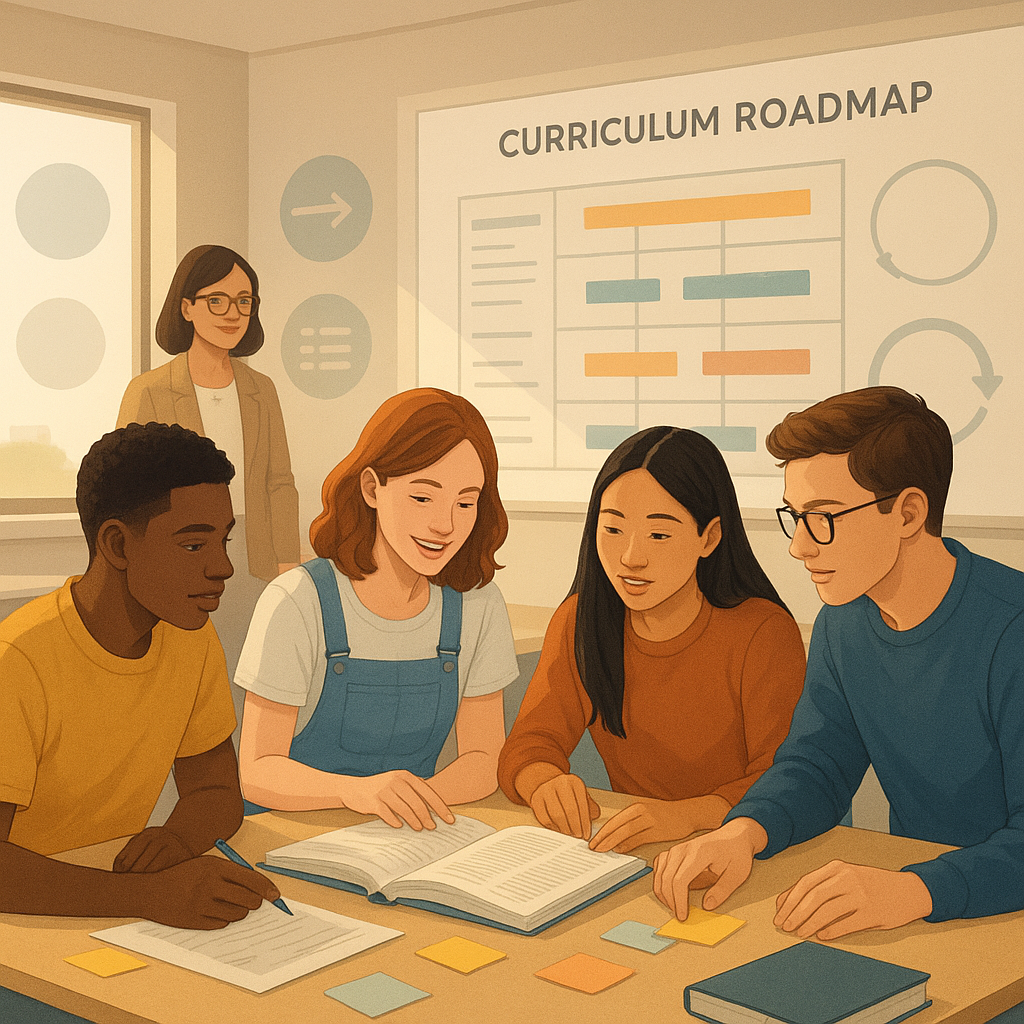
Here’s the kicker. Good teaching is not mainly about performing well in front of a room. It is about choosing methods that fit the content, the learners, and the intended outcome. A math proof needs different handling than a literature seminar. A lab procedure needs more modeling than a debate. A novice needs structure before independence. That is not ideology. That is common sense with receipts.
There is also a deeper point that education people often dodge. Learning is about truth, not just efficiency. Students are not machines to be fed facts, nor customers to be entertained. They are persons with dignity, minds that can seek what is real, and consciences that should be trained alongside memory. That view, old as civilization and very Catholic in its bones, keeps education from shrinking into test prep alone.
Core benefits and importance
Well-designed teaching methods matter because they change what students can do. They also change what schools stop wasting time on. Short sentence. Big payoff.
- Improved retention: Students remember more when lessons include retrieval, spacing, and frequent practice. The evidence here is sturdy, not mystical. APA learning principles and research summaries from IES point in the same direction.
- Clearer learning outcomes: A solid curriculum forces adults to say what success looks like. That sounds obvious, but plenty of programs never define the target. Then everyone pretends the fog is strategy.
- Better student engagement: Engagement rises when students understand the task, can see progress, and get feedback that is specific rather than mushy praise. “Good job” is cheap. Precision is better.
- More equitable instruction: Structured teaching helps students who do not arrive with the same background knowledge. That matters because fairness is not a slogan; it is giving each learner a real chance to understand.
- Stronger teacher judgment: Curriculum development trains educators to think in sequences, prerequisites, and checks for understanding. That reduces improvisation for its own sake.
- Less wasted time: Learning optimization cuts redundant content and bloated activities. Everybody says they want efficiency until they have to remove their favorite slide deck.
Most teaching methods are sold as magic. They are not. Some work well because they reduce confusion and lower cognitive load. Others fail because they assume students can infer what has not been taught. The research on cognitive load theory and retrieval practice makes that plain. See the practical summaries from Edutopia on cognitive load and the evidence resources from the Education Endowment Foundation. Different countries, same inconvenient lesson: memory matters.

Core benefits are not only academic. A curriculum that respects sequence and mastery also forms habits of attention, patience, and responsibility. That is not an extra. It is part of education’s purpose. If students learn to think carefully, listen well, and tell the truth about what they do not yet know, they gain something sturdier than a score. They gain formation.
The truth is, schools often talk about “student-centered learning” as if that alone guarantees quality. It does not. If the center is just confusion with a cushion under it, nobody benefits. Good methods balance guidance and independence. Good curricula balance breadth and depth. Good optimization balances challenge and support. Nice slogans do not do that work.
Step-by-step implementation guide
Start with the end. Then work backward.
That sounds blunt because it is. I have seen too many curricula built from loose themes, pretty graphics, and hope. Hope is not a design method.
- Define the learning outcomes
Write down exactly what students should know, explain, or do by the end. Use verbs that can be observed: analyze, compare, solve, justify, construct, interpret. Avoid vague junk like “appreciate” unless you can say how appreciation will be shown. - Map prerequisites
Identify what students must already know before the new material makes sense. If they need fractions before ratios, say so. If they need vocabulary before discussion, teach it first. This is where most curriculum drafts break down. - Choose the teaching method by content
Do not make every lesson a group project. Do not make every lesson a lecture either. I know, radical thought. For factual foundations, direct instruction often works best. For application, guided practice and problem solving matter more. For interpretation, discussion and careful questioning can help. The method must serve the material. - Sequence from simple to complex
Build from examples to abstraction, from guided work to independent work, from recognition to recall. UNESCO’s work on curriculum and equity is useful here: UNESCO on curriculum. The basic principle is old. Students cannot climb a ladder that was never built. - Plan assessment before teaching
If you wait until the end to figure out how learning will be measured, you are already behind. Use quick checks, exit tickets, short quizzes, oral responses, and performance tasks. Assessment should show understanding, not just obedience. - Build in retrieval and spacing
Revisit important ideas over time. Do not cram once and move on. That helps short-term performance and ruins long-term memory. Spaced review and low-stakes quizzes are among the most practical tools we have. The OECD has repeatedly emphasized the value of well-structured, evidence-informed teaching practices in its education work: OECD Education. - Use feedback that points to the next move
Feedback should say what is correct, what is missing, and what to do next. Vague praise flatters; specific feedback improves. There is a difference. - Check for misconceptions early
Students often nod along while misunderstanding the basics. That is not progress. Use examples, non-examples, and short written explanations to surface confusion before it hardens. - Refine using evidence
Watch the data, but do not worship it. Look at quiz results, discussion quality, written work, and transfer to new tasks. Then revise the curriculum. Honest revision is a sign of competence, not failure.
Here is what actually works in my experience: fewer objectives, tighter sequences, more retrieval, and sharper checks. People resist this because it feels less flashy. So what? Students need clarity, not a parade.
A practical curriculum also leaves room for virtue. Not preachy posters. Real habits. Accuracy. Perseverance. Humility when wrong. Respect when speaking. These traits matter because education is for the whole person, not just the transcript. If you form intellect without character, you get clever nonsense. That is not a win.
For teachers wanting a practical starting point, the best advice is to pick one unit, tighten the sequence, and add one retrieval task each week. Then measure the result. Small changes, consistently applied, beat grand reform language nearly every time.
Comparison table
| Feature | Teaching methodologies, curriculum development, and learning optimization | Common “biggest competitor”: ad hoc teaching and isolated activities |
|---|
| Primary goal | Coherent learning with measurable outcomes | Keeping students busy |
| Planning style | Sequence first, assess early, revise with evidence | Improvised lessons and scattered tasks |
| Student memory | Uses retrieval, spacing, and practice | Assumes one exposure is enough |
| Equity | Reduces hidden prerequisite gaps | Leaves weak students guessing |
| Teacher workload | Front-loaded design, smoother delivery later | Constant reinvention, constant confusion |
| Engagement quality | Purposeful participation tied to learning | Noise, novelty, and little retention |
| Assessment | Built into instruction | Added at the end like an afterthought |
| Long-term results | Better transfer, better retention, stronger habits | Short-term activity, weak recall |
The competitor here is not a textbook or a software tool. It is the habit of teaching by impulse. That habit looks lively. It also wastes time. Frankly, it is one of the most expensive forms of laziness in schooling.
Research from the What Works Clearinghouse and the Education Endowment Foundation repeatedly shows that structured, evidence-based approaches tend to outperform vague, activity-heavy instruction. That does not mean every classroom should look the same. It means quality depends on design discipline. The best teachers are often less theatrical than people expect. They are clearer, not louder.
Common mistakes to avoid
Most bad teaching advice arrives wrapped in enthusiasm. That is the problem.
- Mistaking activity for learning: Students can cut, paste, move around, and still learn almost nothing. Motion is not mastery. If the task does not require thinking about the target content, it is theater.
- Overusing “learning styles”: The evidence does not support the idea that students learn best only through one preferred style. The more useful move is to vary representation and practice. The claim is neat. It is also weak.
- Ignoring prerequisite knowledge: New material fails when students lack the basics. Then adults blame motivation. Convenient, but wrong.
- Packing curricula with too much content: If everything is important, nothing is. Tighten the list. Trim the vanity topics.
- Using assessment only for grading: If assessments arrive only at the end, they cannot guide instruction. That is not a system. It is a surprise.
- Chasing novelty: Some schools treat “new” as if it were evidence. It is not. A flashy app can hide a weak lesson faster than any chalkboard ever could.
- Neglecting review: Teachers often move on because the calendar moves on. Students do not remember on the same schedule. Review is not optional.
Let’s be real. A lot of professional development talks about creativity while avoiding the hard work of sequencing content and checking understanding. I have sat through enough of those sessions to know the pattern. Pleasant. Useless. Sometimes both.
Another mistake is treating students as if they were blank slates with unlimited attention. They are not. They come with prior knowledge, distractions, fatigue, family obligations, and uneven access to support. Good teaching respects that reality. It also respects truth enough to say that effort matters, but effort alone does not produce learning without structure.
Frequently asked questions
What is the difference between teaching methodology and curriculum development?
Teaching methodology is how instruction happens. Curriculum development is what gets taught, in what order, and why. One is delivery; the other is design. Both matter. Separating them is a common mistake.
Which teaching method is best for most subjects?
There is no single best method. Direct instruction helps with foundational knowledge, guided practice helps with skills, and discussion helps with interpretation. The best choice depends on the content and the student’s level of knowledge.
How does learning optimization improve student results?
It improves results by reducing wasted effort. Retrieval practice, spaced review, clear examples, and specific feedback help students remember more and transfer knowledge to new tasks. That is the core, not the hype.
Are project-based lessons better than traditional lessons?
Sometimes. If the project is well designed and students already have the background knowledge, it can work well. If not, the project can become a mess with pretty posters. The method is not the issue. The match between method and objective is.
Final thought
Good education is plain in the best sense. It tells the truth, orders knowledge carefully, and respects the learner enough to plan well. That is why teaching methodologies, curriculum development, and learning optimization should never be treated as separate fads. They are pieces of one duty: helping students grow in understanding, judgment, and character.
I have little patience for educational trends that confuse motion with progress. A crowded lesson is not automatically a strong one. A clever activity is not automatically useful. A polished curriculum is not automatically coherent. The real measure is whether students can explain what they learned, use it accurately, and remember it next week without being rescued by a slide deck.
The deeper issue is human. Education should serve truth and human flourishing, not vanity, not bureaucracy, and not ideological noise. If a school helps a child become more attentive, more honest, more capable of reasoning, and more ready to serve others wisely, then it has done something good. If it only produces compliant test-takers, it has aimed too low.
So start small. Tighten one unit. Add one retrieval routine. Cut one pointless task. Then watch what happens. Good teaching rarely announces itself with fireworks. It shows up in clearer thinking, steadier habits, and students who can finally do the work on their own.